
GEOCOG
Translating Knowledge Across Domains
-
Finding new applications, markets, products, partnerships, and sources of value within existing capabilities.
-
Cross-domain research, technical investigation, organizational knowledge, cognitive analysis, spatial reasoning, and translation between specialized domains.
-
Cognitive analysis, knowledge discovery, decision support, and human-systems analysis for defense, aerospace, and other high-complexity operational environments.
-
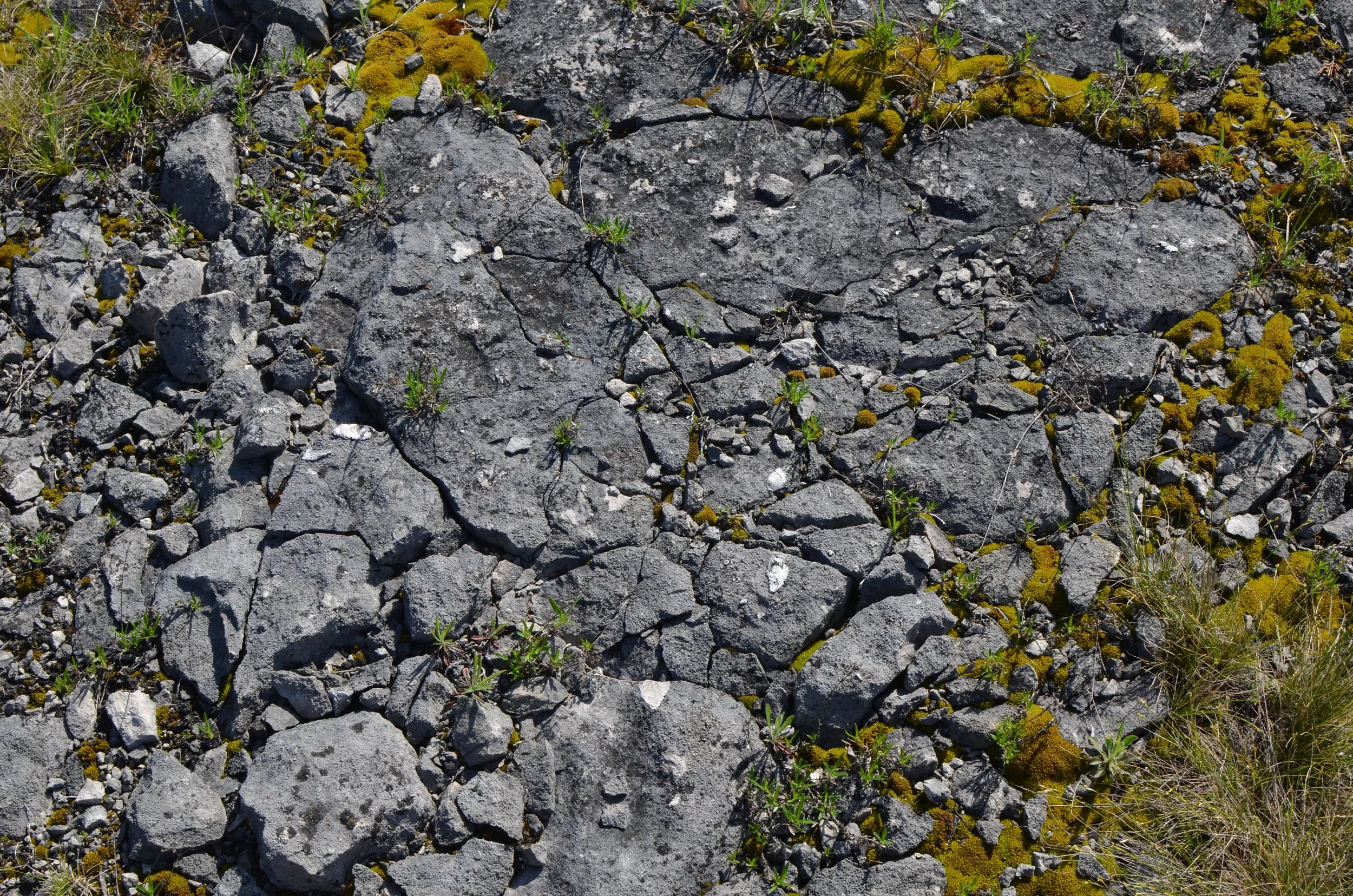
Field-based investigation of landscapes, environments, land-use systems, spatial relationships, and material conditions.
GEOCOG helps organizations solve unfamiliar problems, strengthen organizational knowledge, and identify new applications for technologies, methods, data, and capabilities they already possess.
We examine relationships between technical systems, physical environments, organizational knowledge, and other domains to identify possibilities that may not be visible from within a single specialty.
Every project we work on applies the same underlying capability: translating knowledge between domains, systems, and scales to reveal relationships, possibilities, and actionable insight.
Case Study

Extending Terrain Intelligence Software into New Markets
Collaboration with Hexagon Mining (2025)
Context
I worked directly with Hexagon Mining and its global clients to demonstrate how terrain intelligence workflows developed for extraction industries could be extended into landscape planning, environmental analysis, and site development. The work was presented at two international client summits.
Insight
Operational spatial datasets often contain analytical value beyond the purpose for which they were originally collected. By interpreting terrain data as landscape systems rather than solely as mining outputs, existing spatial infrastructure can support new forms of environmental analysis, planning, and site intelligence.
Application
Using a historic quarry landscape as a working example, I developed analytical pipelines applying Hexagon's software to landscape architecture, archaeological interpretation, and site analysis. The demonstrations showed how mining-oriented spatial infrastructure could support heritage documentation, environmental assessment, and pre-development benchmarking.
The work also introduced a method for documenting quarry and industrial landscapes before development or reclamation, creating a detailed spatial baseline that can support planning and stewardship throughout a site's lifecycle.
Outcome
Demonstrated new applications for terrain intelligence software beyond extraction operations
Identified additional value within existing spatial data and software infrastructure
Introduced quarry and industrial landscape benchmarking as a potential application area
Demonstrated pathways toward new markets and product applications
Cross-Domain Knowledge Practice
GEOCOG translates knowledge across technical, environmental, operational, and organizational domains to help identify overlooked relationships, applications, and sources of value.
Federal Contract Ready
UEI: U8CGZW7SGQV9
CAGE: 1Z1D6

Ryan Dewey
Principal Investigator
Ryan Dewey
Ryan Dewey is a cross-domain researcher and knowledge analyst who translates knowledge, technologies, data, and capabilities between specialized domains. His work spans defense and aerospace, mining, agriculture, ecology, conservation, and industrial systems, combining cognitive science, ethnography, spatial analysis, and technical research.
He holds an M.A. in Cognitive Linguistics from Case Western Reserve University where he has held multiple Visiting Scholar appointments in Cognitive Science. His land-analysis research archive is stewarded by the Center for Art + Environment at the Nevada Museum of Art.